Real-World Data for Physical AI.
From egocentric and industrial capture to robotics-ready annotation and evaluation, AMAKH helps AI teams turn real-world activity into useful training data.
Every frame carries layers of data.
We build each dataset in stages, from raw capture to accepted delivery. Every layer is captured, labelled and checked to your specification.
-
 BoxesPoseLabelsMetadata Accepted · your criteriaStage 01/05 · Capture
- BoxesPoseLabelsMetadata Accepted · your criteriaStage 02/05 · Sense
- BoxesPoseLabelsMetadata Accepted · your criteriaStage 03/05 · Track
- BoxesPoseLabelsMetadata Accepted · your criteriaStage 04/05 · Label
- BoxesPoseLabelsMetadata Accepted · your criteriaStage 05/05 · Verify
Illustrative frame
Discuss a data projectFrom egocentric and industrial capture to robotics-ready annotation, AMAKH turns real-world activity into data your models can learn from: captured with consent, checked against your criteria.
-
Physical AI & Robotics Data
Real-world capture and data preparation for robotics and embodied AI.
-
Egocentric Video Collection
First-person recordings of real tasks at home, at work and on the floor.
-
Warehouse & Industrial Data
Forklift, material-movement and manufacturing workflows, captured with site consent.
-
Data Annotation & QA
Task-specific labelling, review and consistency checks against your acceptance criteria.
Run as one program or on their own, with evaluation support alongside.
Explore capabilitiesReal-world data for the places Physical AI has to work.
Capture and annotation programs scoped per site and per task. Outcomes depend on your models and how the data is used.
-
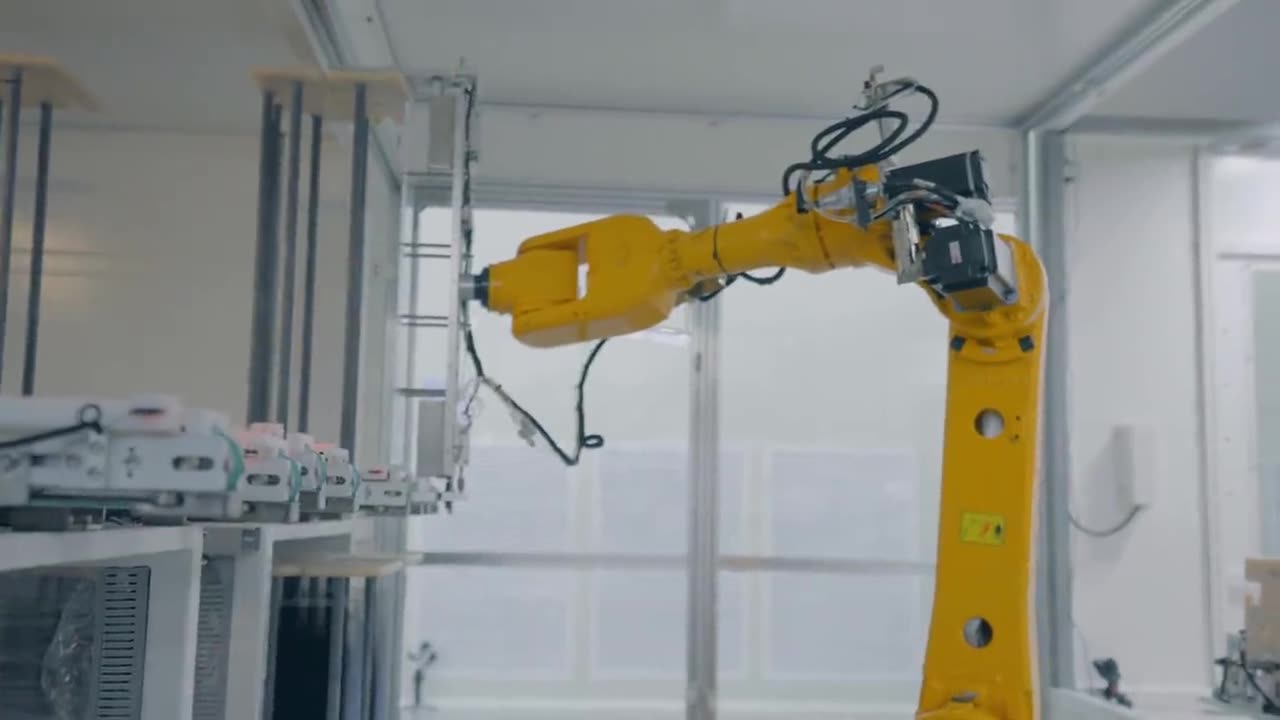
Robotics & embodied AI
Task recordings and interaction data for manipulation, task learning and robotics evaluation.
- Task recordings
- Object interaction
- Pose
-
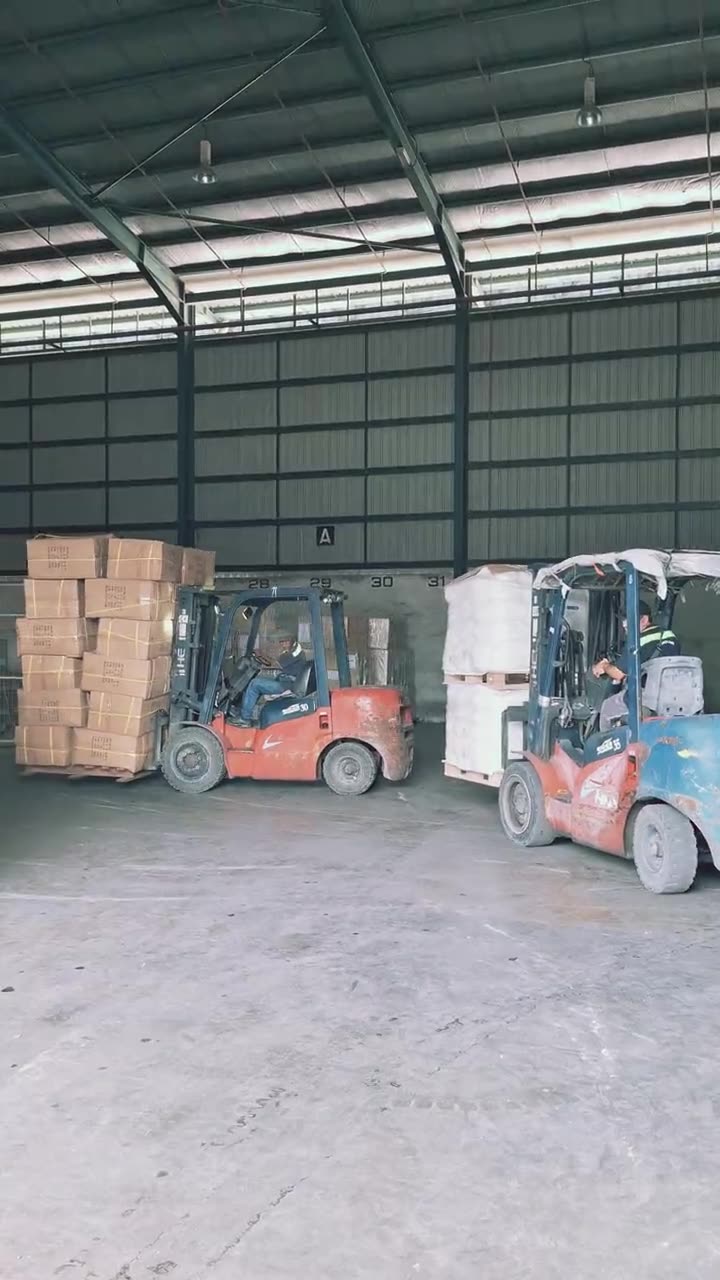
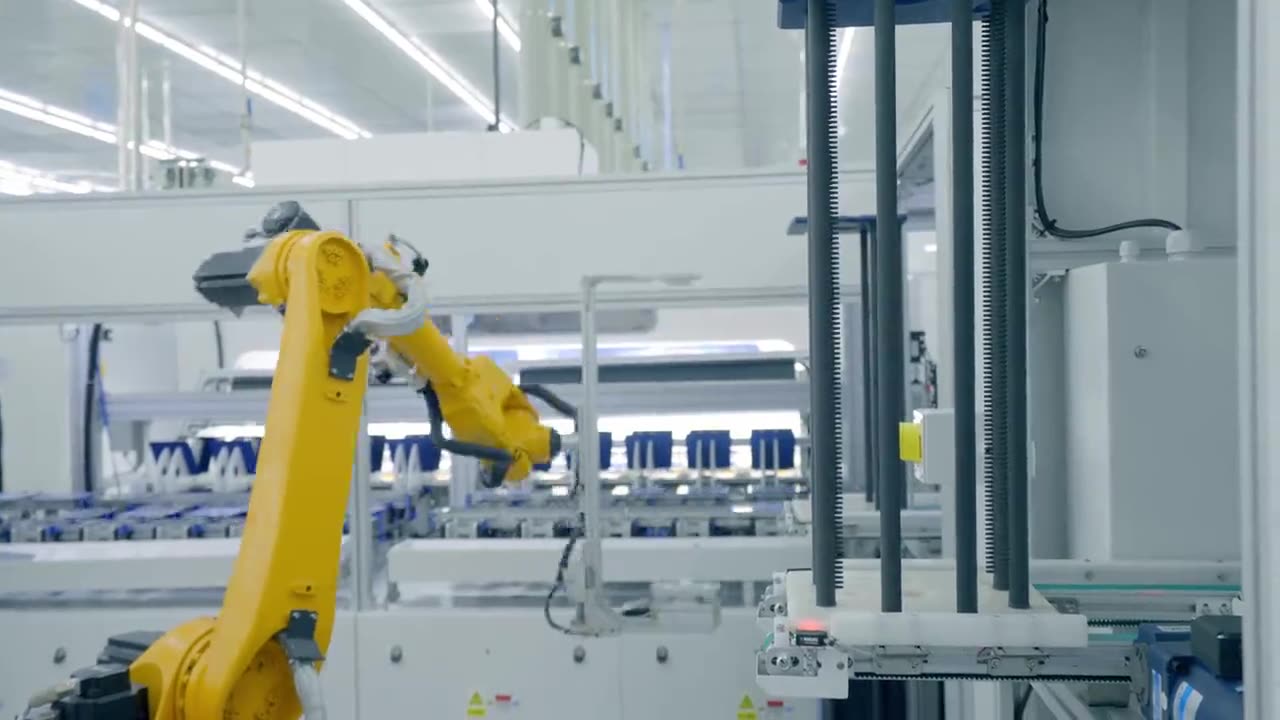
Logistics & warehousing
Forklift, picking and material-movement footage for warehouse automation.
- Forklift workflows
- Picking
- Aisle movement
-
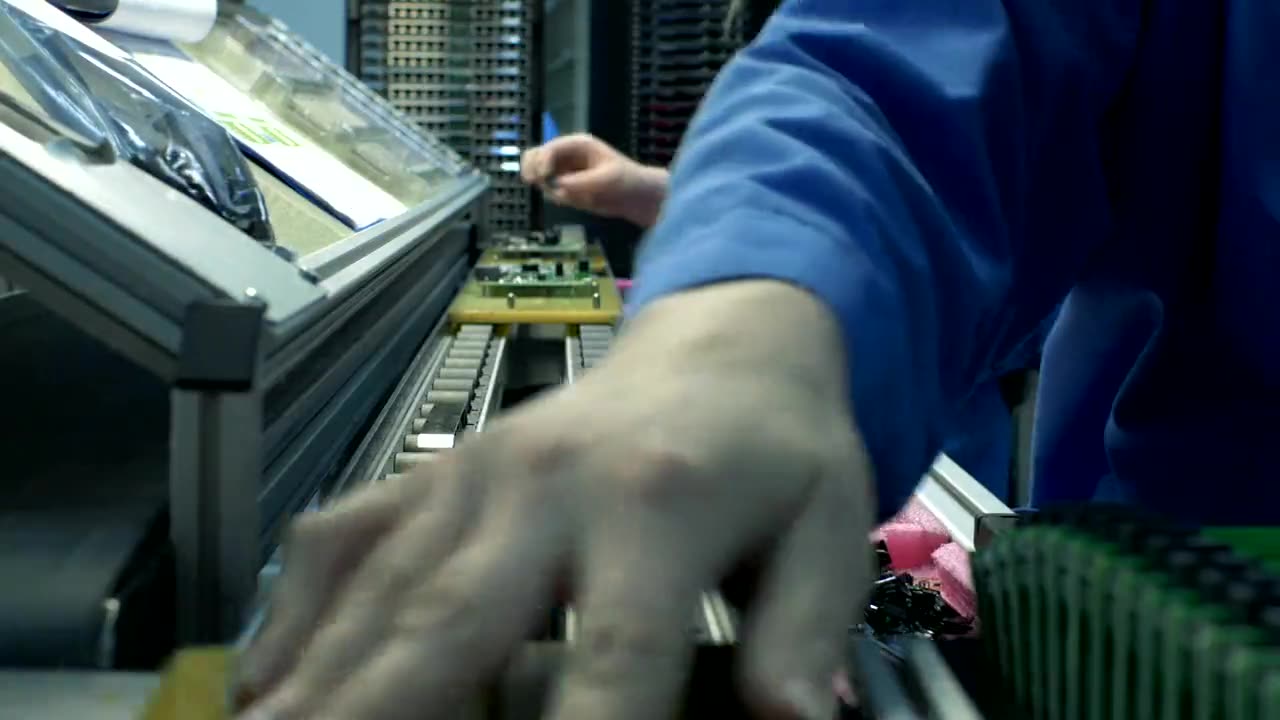
Manufacturing
Assembly, inspection and line-side workflows recorded with site consent.
- Assembly
- Inspection
- Line-side work
-

Household tasks
First-person recordings of everyday tasks for human activity understanding.
- Egocentric video
- Everyday tasks
- Hand-object
-
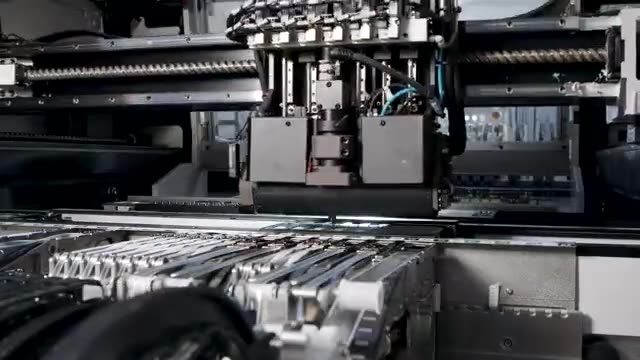
Industrial automation
Real workflow data to study, train and evaluate automation in industrial settings.
- Workcell footage
- Process steps
- Evaluation sets
Working somewhere else? Most capture plans start from the task, not the sector.
Discuss a data projectWhat we deliver
Five capabilities, used on their own or run together as one program from capture plan to delivered dataset.
-
Physical AI & Robotics Data
Real-world capture and data preparation for robotics and embodied AI.
- Egocentric video
- Third-person / multi-camera
- Task-based recordings
-
Egocentric Video Collection
First-person recordings of real tasks at home, at work and on the floor.
- Device
- Resolution & frame rate
- Session duration
-
Warehouse & Industrial Data
Forklift, material-movement and manufacturing workflows, captured with site consent.
- Warehouses
- Material handling
- Manufacturing
-
Data Annotation & QA
Task-specific labelling, review and consistency checks against your acceptance criteria.
- Annotation guidelines
- Trained operators
- Sample review
-
Evaluation & Data Operations
Dataset organisation, metadata, delivery and evaluation workflows, scoped per project.
- Capture planning and field coordination
- Dataset organisation and metadata
- Delivery workflows and formats
Videos play on hover, or while in view on touch screens.
How we work
Physical AI learns from the physical world, and the physical world is hard to record well. AMAKH makes real-world data dependable: captured with consent, documented clearly and checked against the criteria you set.
-
Consent first
No capture without the site’s permission and each participant’s consent.
-
Quality defined by you
Acceptance criteria are agreed before work starts, and every delivery is checked against them.
-
Programs that adapt
Pilots first, then repeatable programs scaled to what the environment, equipment and staffing allow.
-
Plain scope
We say clearly what we can deliver and what we cannot, before the project begins.
From requirements to a delivered dataset
- Step 01
Define requirements
Agree what the model needs to learn: tasks, environments, devices, resolution, frame rate, duration and acceptance criteria.
- Step 02
Plan capture
Sites, participants, instructions, equipment and permissions are planned before anyone presses record.
- Step 03
Collect data
Field teams run the capture program, logging each session with the metadata your pipeline expects.
- Step 04
Annotate & validate
Trained operators label to your guidelines; samples are reviewed and corrected before anything ships.
- Step 05
Deliver dataset
Structured, documented data delivered in the format and cadence agreed for the project.
From the field
Homes, kitchens, warehouses and factory lines: the places Physical AI has to work, and the capture setup we typically plan for each.
-
Folding and tidying
- View
- Fixed + first-person
- Task
- Laundry folding
- Layers
- RGB · Hand pose · Actions
-
Food preparation
- View
- First-person
- Task
- Cutting and prep
- Layers
- RGB · Hand pose · Objects
-
Picking and handling
- View
- Fixed + body-worn
- Task
- Carry and check
- Layers
- RGB · Body pose · Actions
-
Line-side assembly
- View
- Fixed, multi-view
- Task
- Engine assembly
- Layers
- RGB · Depth · Actions
Typical setups, planned per project
Tell us what your model needs to learn.
Share the tasks, environments and volumes you have in mind. We will come back with a capture approach and the questions we need answered.
Start a project briefDiscuss a data project
The more you can share now, the more specific our first reply can be.
-
India
-
United States